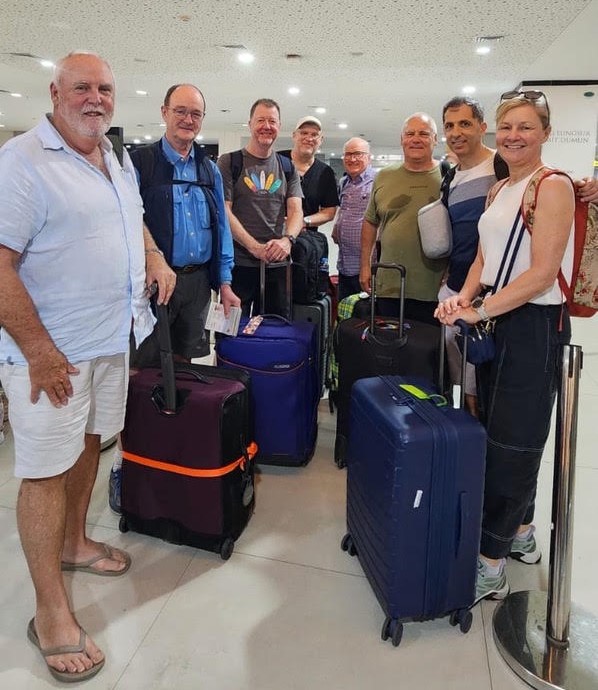
 The September Sumba Eye Project mission to Indonesia faced unexpected challenges, with the Waikabubak eye clinic closed through lack of funding and volcanic disruption limiting the surgical program. Despite the setbacks, the team completed 14 cataract operations, screened local schoolchildren and trained teachers and health workers to identify eye problems. Just as importantly, valuable new partnerships were strengthened to help build a more sustainable eye-care service for the people of Sumba.
This Sept trip was on the usual 6 month rotation but hit two serious issues.
- The Public Hospital at Waikabubak, had been set up all the equipment with the help of a grant from RC Balwyn. The administration announced only recently and with no warning that they did not have more money to fund the eye registrar from the Udayana University’s ophthalmic training department and hence the eye clinic was shut down.
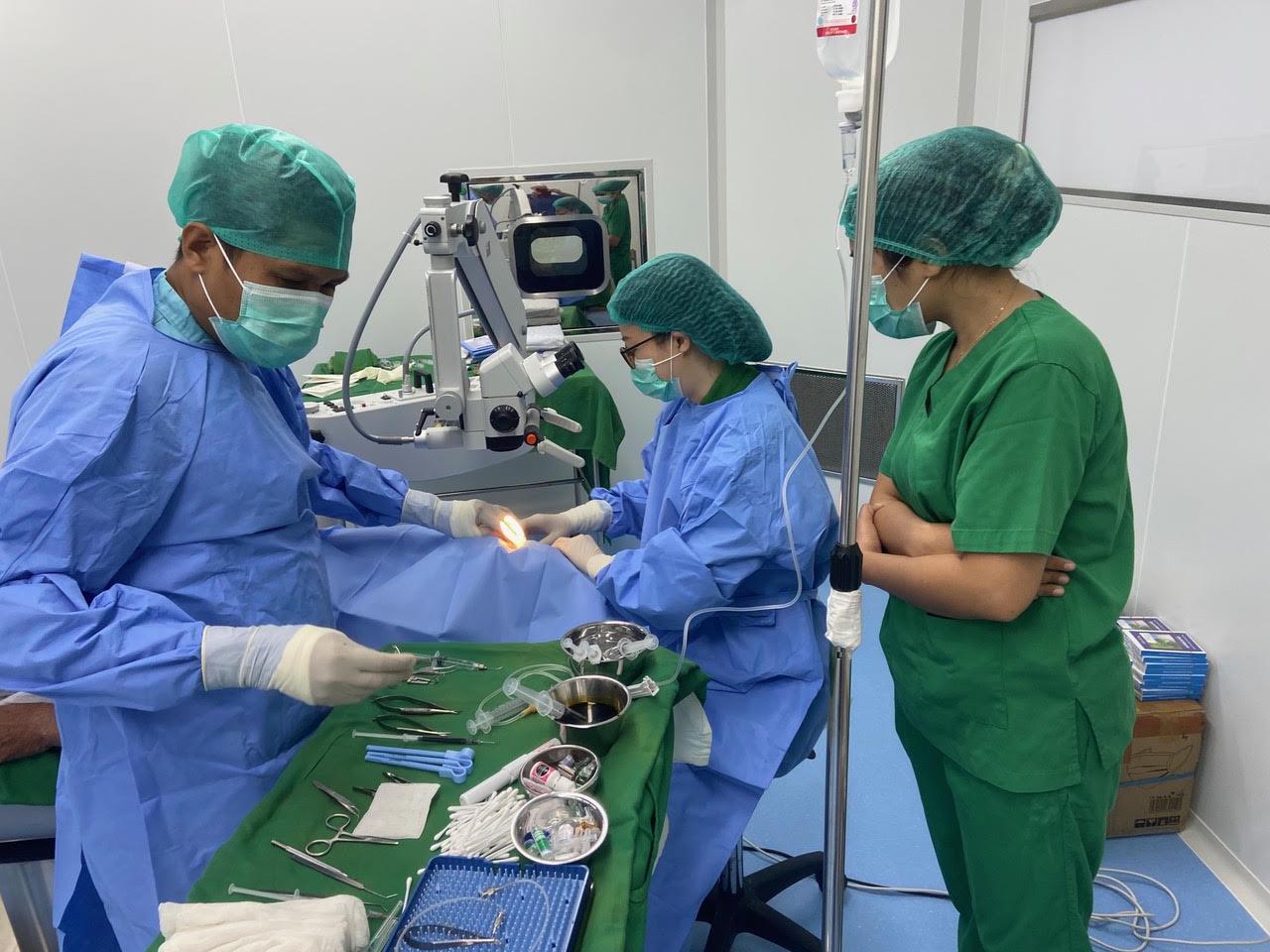
- The week prior up to the Saturday was the major annual ophthalmic conference and hence 4,000 Indonesian and international ophthalmologists were in attendance there. With the volcanic eruption polluting the air, the airport in Central Java was shut down, and Dr Saphira, who is based at Karitas and was supposed to run the surgical part of the effort that week, could only be there for the Thursday and Friday morning. At least 14 cataract extractions were performed. (Dr Ellis had been an invited speaker at one of these conferences in the past in Makassar.)
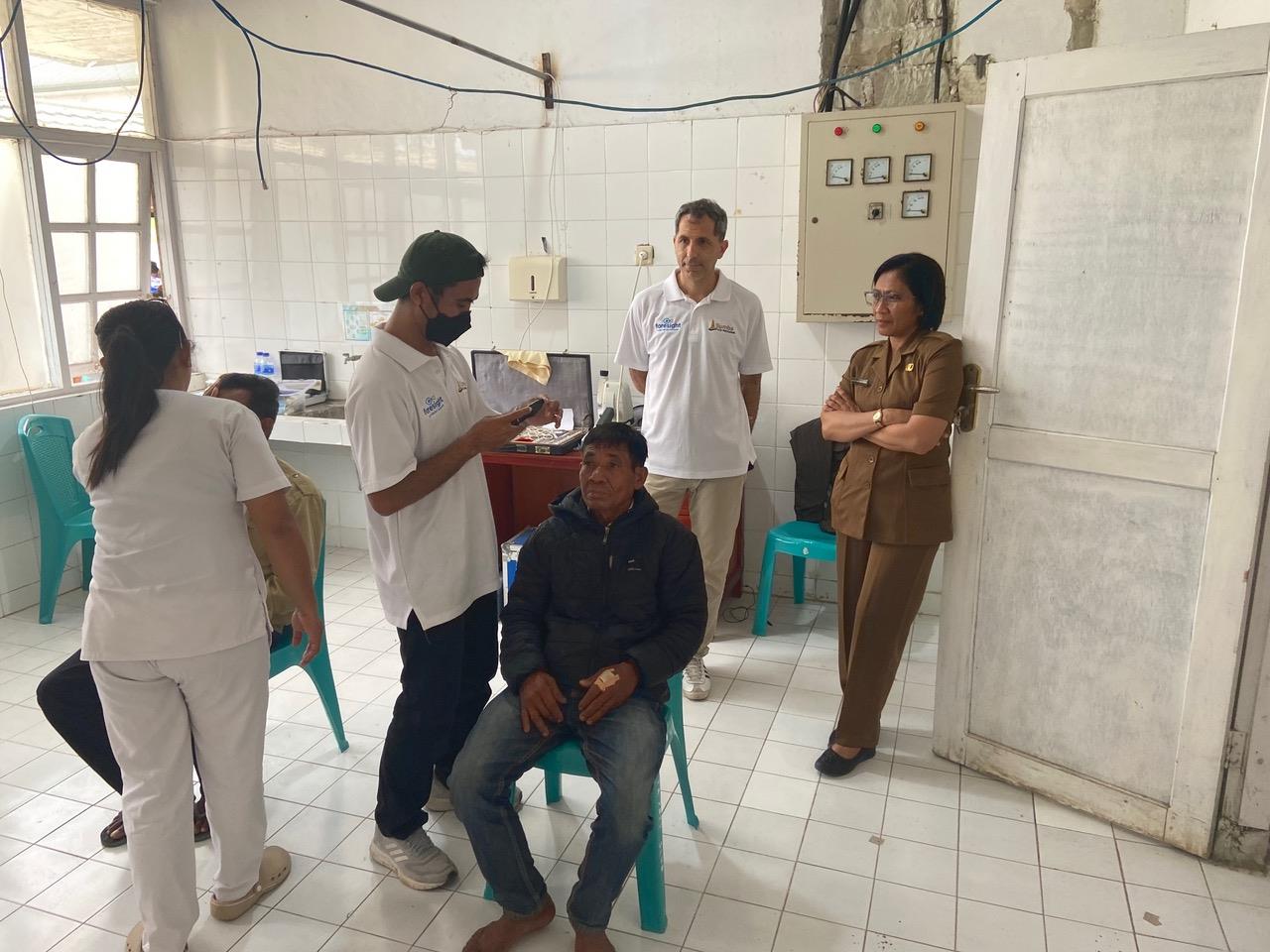 As a reminder, that foreign doctors are now banned from performing surgery on Indonesians patients.
Our team decided to stay and not to return early and luckily the volcanic activity settled, although when Dr Ellis was with the Medical Director at Karitas in Tambolalaka, there was a minor earthquake (4.5), which made us run to be outside as a precaution.
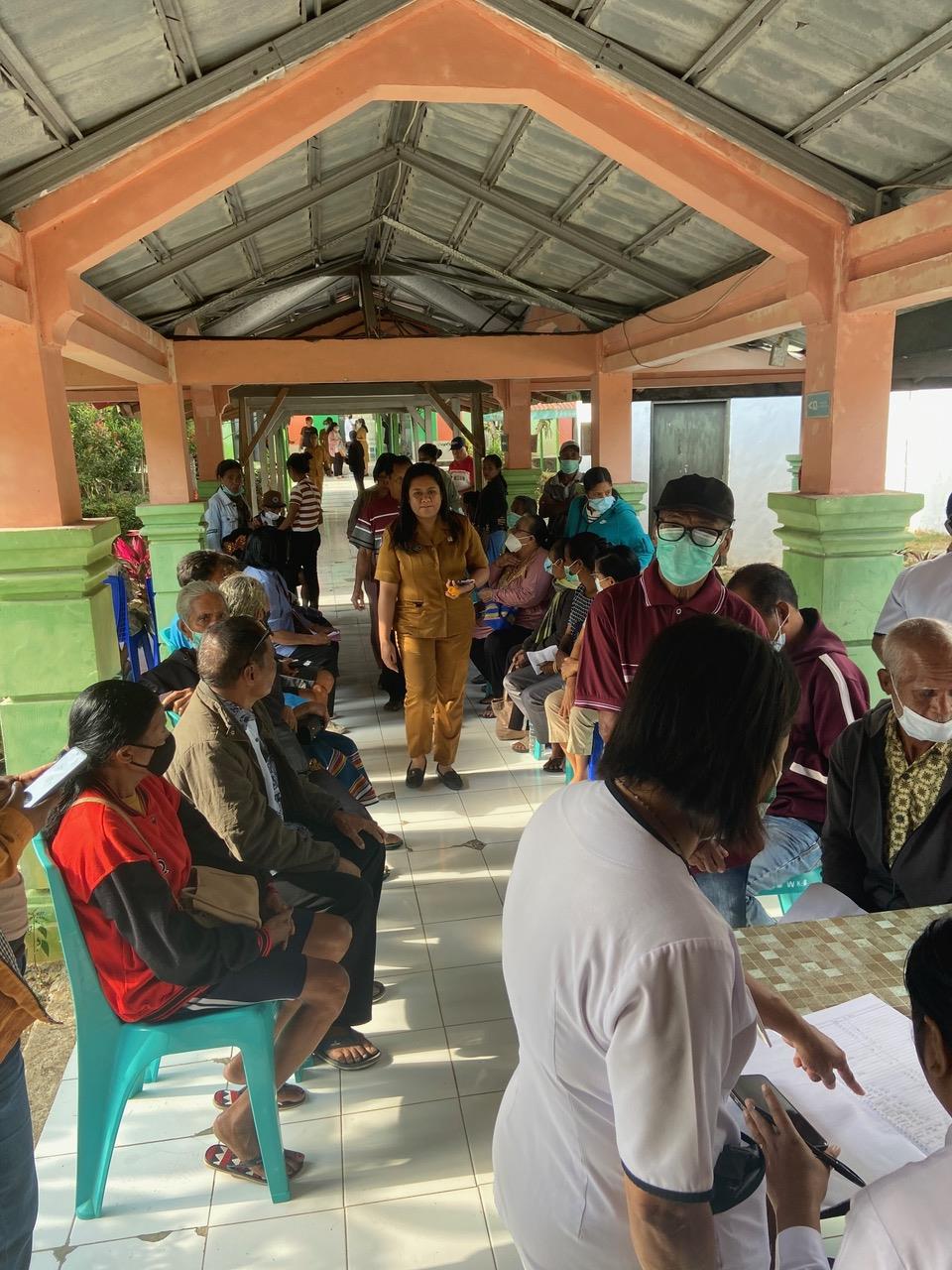
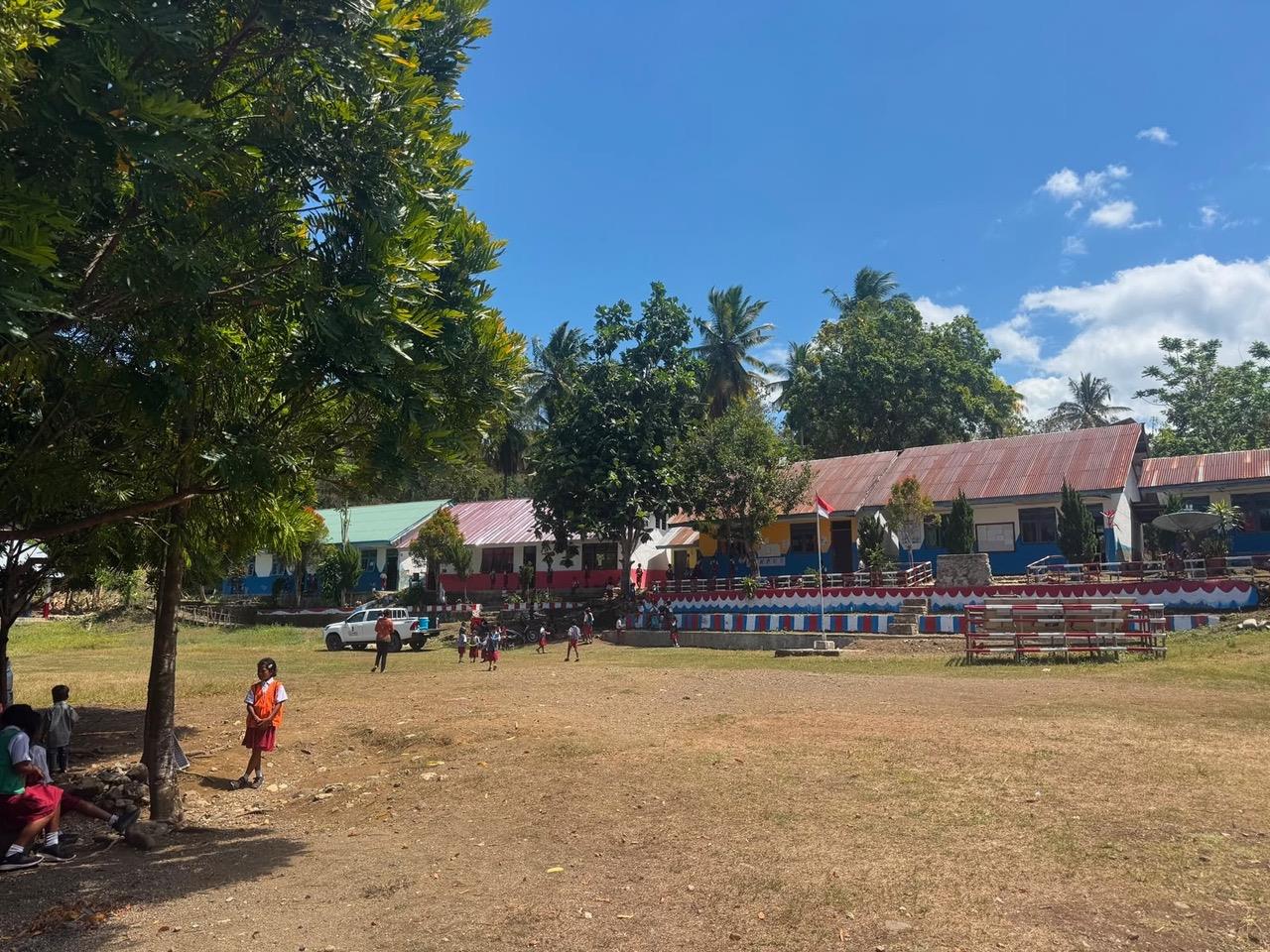
So, the surgical part of the trip was lessened but this did not stop the optometry side screening and teaching the local nurses, General Practitioners and Opticians. On the Thursday the team performed screening at the local School. Importantly here, they not only screened all the children looking for eye issues but taught the teachers what and how to pick up problems.
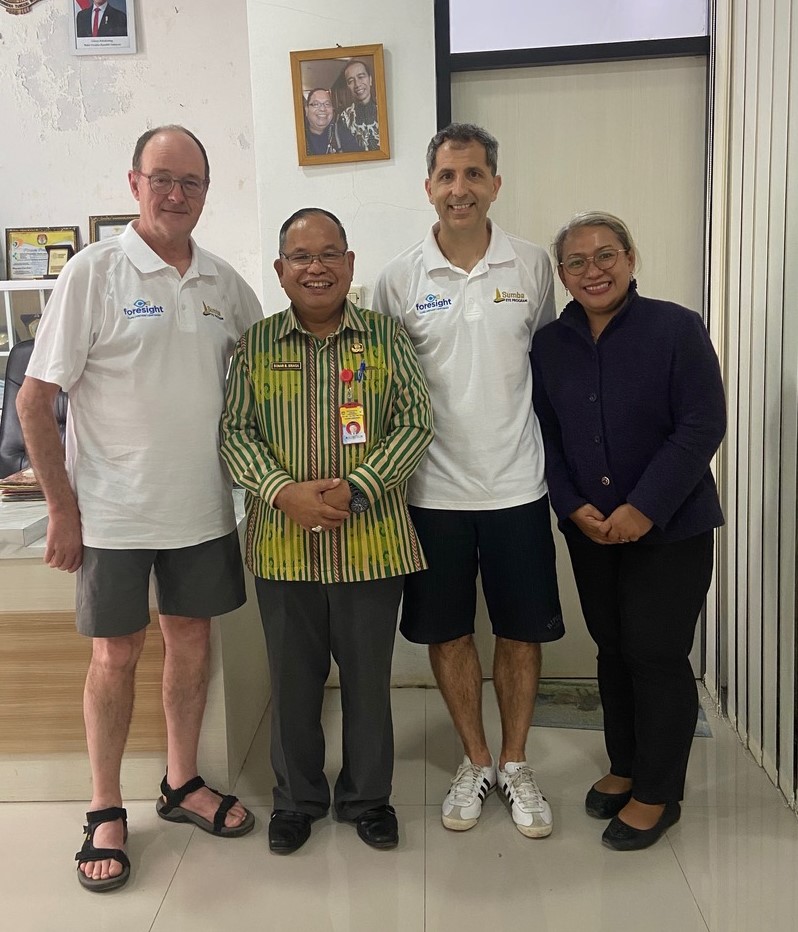
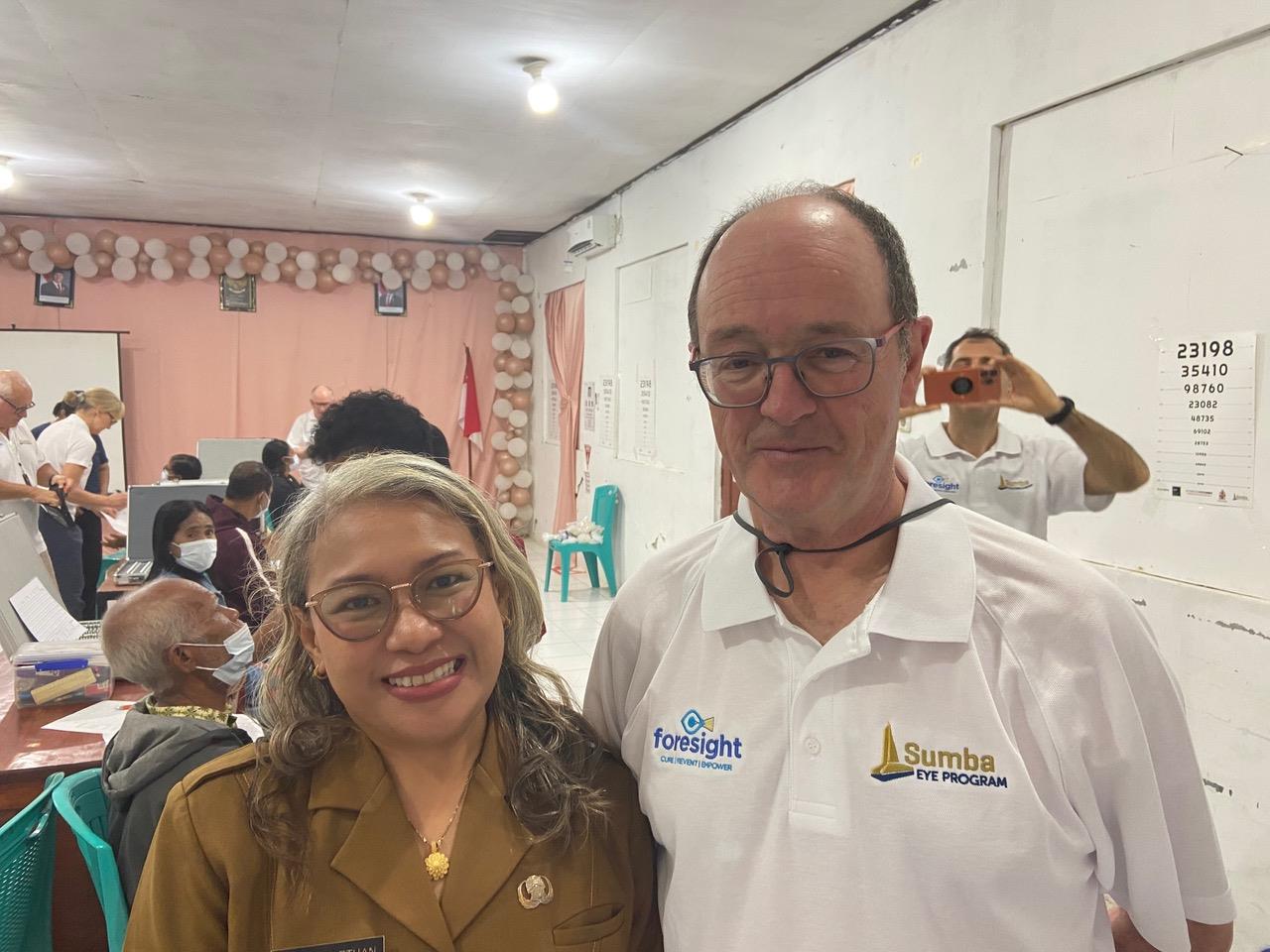
Mr Remy Di Ponio, the General Manager for Foresight, and Dr Ellis spent much time meeting the Medical Directors of Waikabubak and Karitas and the Health Minister for the region. This was important in that we were able to build up our knowledge of how their system works. Karitas hospital is based in Tamolaka and is a privately run christen charity hospital. It has already received the BPJS rating (equivalent of Medicare) and has been allowed to increase their surgical list from 8 to 30 in a year as well as being allowed to consult on more patients, which is all paid by the BPJS. None of the public hospitals has this status. If a person works and pays taxes, they are automatically covered for medical issues by the BJRS. Unfortunately, 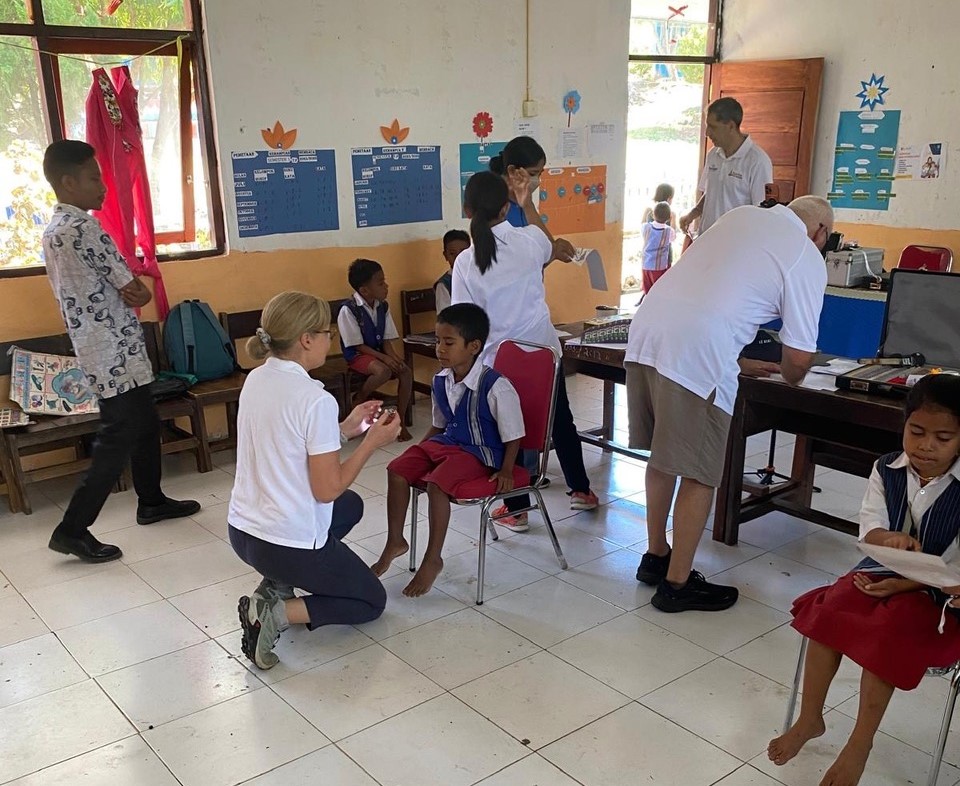 unemployment and subsistence farming does not make these poor people covered. We hope this can be addressed in time, and part of the surgical camps is to perform cataract surgery on these people, the covered people seen on this trip we sent to Karitas to be operated.
The plan is to continue, and the team will return in late April.
Karitas has found exactly what we told them that eye surgery will pay for itself and bring more wealth to the hospital. This is so important in an impoverished system. Money or lack of money is a compounding issue here. The rich are richer but the poor remain poor. We have so far lent them the use of one of our microscopes and now the laser. The rest of the equipment is to be stored at the Sumba Foundation Headquarters in airconditioned comfort.
Unfortunately, the public hospitals have not taken notice so far. Rotary partially sponsors the SEP with funds donated by both Glenferrie (Mark Ellis) and Kew (Peter Stewart).
Dr Mark F Ellis AM
Director Foresight and RC Glenferrie International Director
 |  |  |
 |  |  |