
Attendance: 26 Members: 21 (of 47) 45% Guests: 5
Speaker: Bob Pearce - BRINGING A DESERT BACK TO LIFE
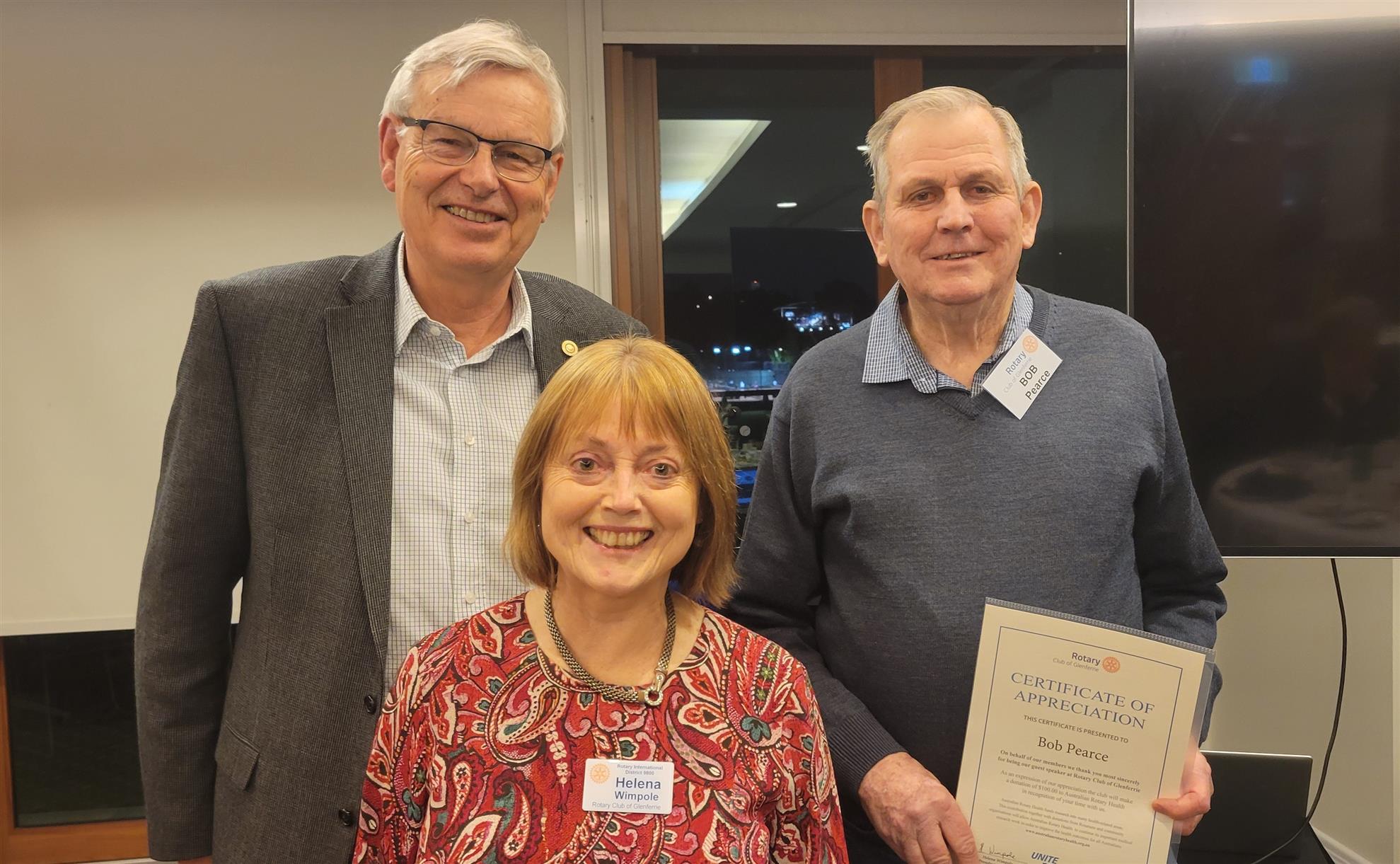
It was a pleasure to welcome Bob Pearce, a longstanding member of the Albert Park Yachting and Angling Club(APYAC). In fact he joined APYAC as a teenager in the 1960's. At that time it was common to retrieve the native Angasi oysters along the shoreline of Hobson's Bay. Bob detailed the history of marine habitat loss in the region of Hobson's Bay much of which ultimately became a marine desert
The degradation of habitat commenced in early colonial days with uncontrolled harvesting of oysters to supply oyster bars scattered around Hobson's Bay. The oyster beds were then depleted in the late 1800's for provide limestone for the building industry.
As a young recreational fisherman Bob witnessed the decline in fish numbers as Port Phillip was dredged, first for scallops from the early 1960's and then for mussels as well as oysters from the 1980's after exhaustion of the scallop beds. As a result of the dredging, shellfish reefs were devastated with substantial habitat loss. The importance to the marine environment of water filtration by oysters was described. The cessation of scallop/shellfish reef dredging has resulted in slow recovery of scallop numbers in the Bay but there has not been recovery of reefs or oyster populations.
The Conservation Committee at APYAC has been an initiator of shellfish reef restoration in Port Phillip during the past 10-15 years aided by State grants. Indeed, APYAC has raised more than $600000 for the restoration projects.
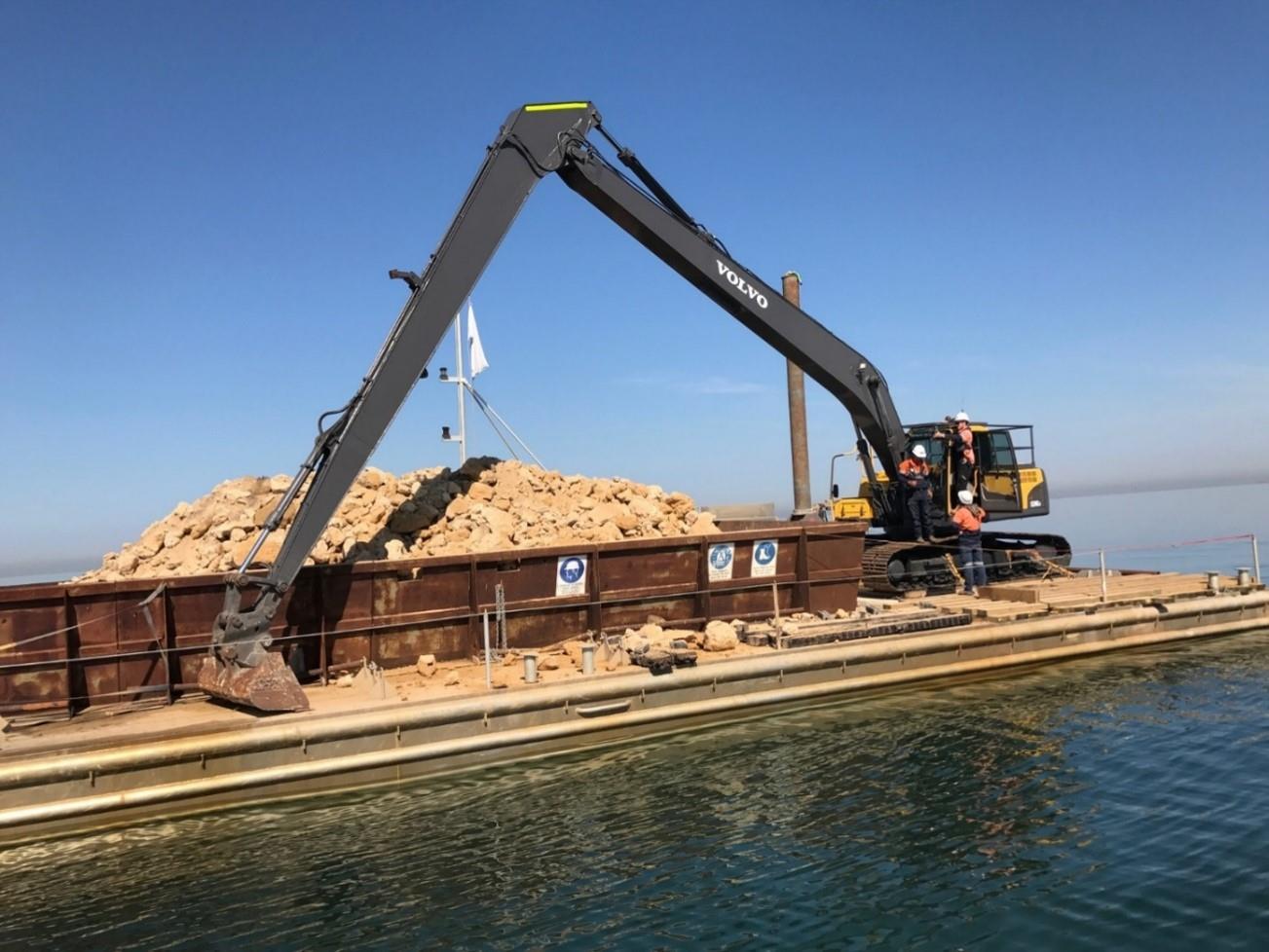
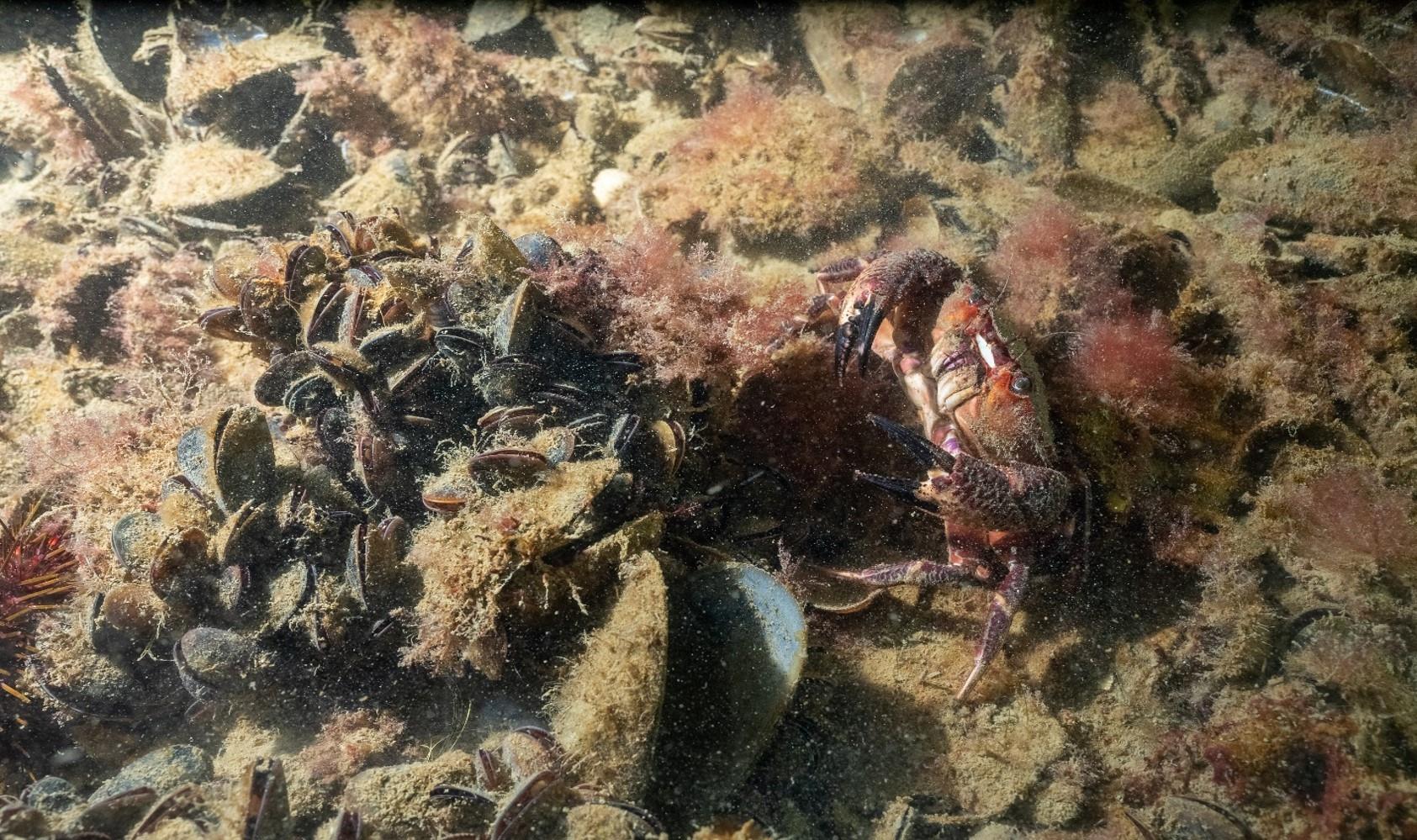
The formation of new reefs involves the deposition of limestone rocks or concrete fragments on the seabed to provide a nidus for habitat regeneration. The concrete fragments are moulded in an irregular fashion to create small divots or crevasses to allow adherence of shellfish and marine plants. Furthermore there has been successful seeding with Angasi oysters. The rapidity of growth and regeneration of the marine habitat has exceeded expectations, with more conservation work planned by the APYAC Conservation Committee. The recently completed Kayakers Reef is 200 square metres in 8-9 metres of water and is located about 800 metres offshore from the end of Kerferd Road, Albert Park. It already abounds with marine life.
Other groups around Port Phillip Bay have already embarked upon similar projects. Bob, now aged 80 years, hopes to remain involved in reef restoration for many more years.
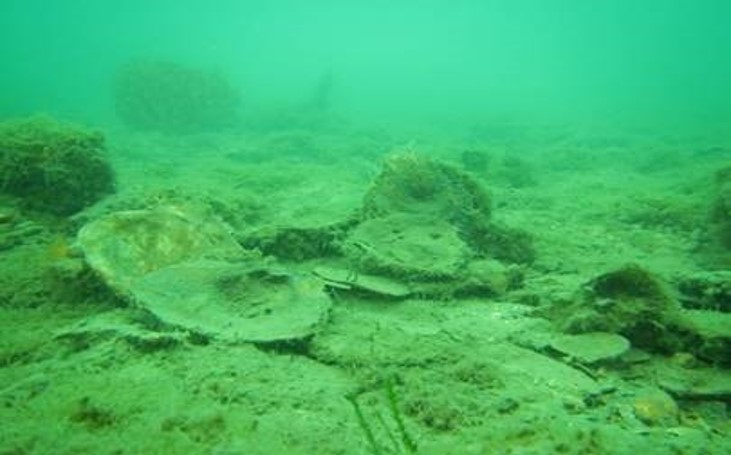 BEFORE: The seabed near Corio Bay, once a thriving reef, reduced to a wasteland through over-exploitation | 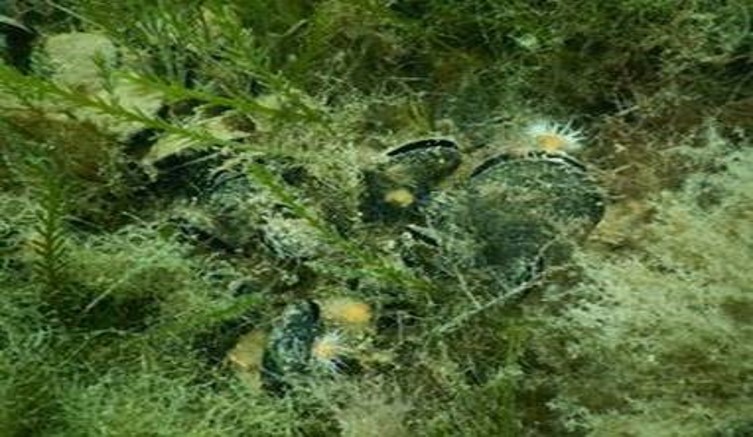 AFTER: The same seabed a year after restoration, with mussels thriving | 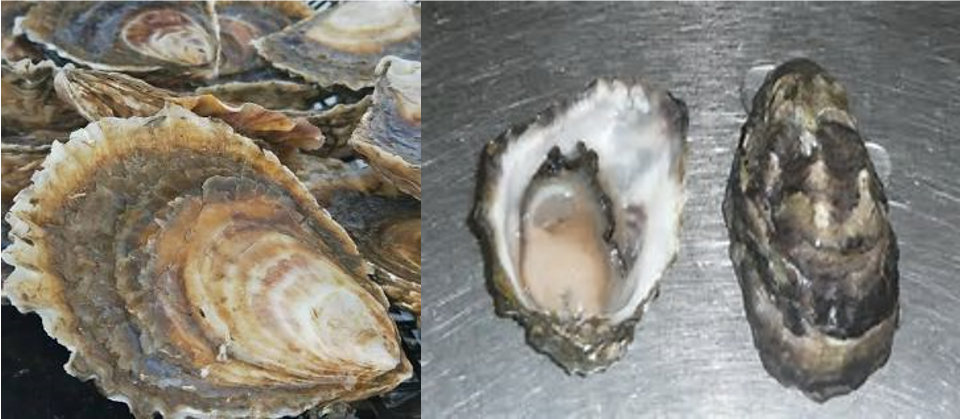 The native flat (Angasi) oysters, left, once plentiful in the Bay, are much larger but more difficult to cultivate than the pacific oyster, right, native to Japan |